


Kling 3.0 Omni vs Gemini Omni: Which AI Video Model Wins in 2026?
Both are called "Omni." Both generate video with native audio. And both launched within months of each other in 2026. But Kling 3.0 Omni vs Gemini Omni is not a close fight — at least not yet. Kling 3.0 Omni has been live since February 2026 with the #1 ELO benchmark score among all AI video models. Gemini Omni was unveiled at Google I/O 2026 on May 19 and is still rolling out. Here's what the data and early demos actually tell us.
What Is Kling 3.0 Omni?
Kling 3.0 Omni (also called Kling O3) is Kuaishou's multimodal video foundation model, released February 5, 2026. It combines text-to-video, image-to-video, native audio generation, and reference-guided character consistency in a single unified pipeline.
Key capabilities: native 4K at 60fps, up to 15-second clips, multilingual character voice cloning from a 3–8 second reference video, and a multi-shot storyboard mode where you control duration, shot size, angle, and camera movement per scene. As Kuaishou confirmed at launch, over 60 million creators have now used the platform.
What Is Gemini Omni?
Gemini Omni is Google's unified multimodal model announced at Google I/O 2026 on May 19. Unlike Kling Omni — which is purpose-built for video generation — Gemini Omni handles text, image, and video in one model, with chat-based editing as its defining capability.
From early demos surfaced by 9to5Google, the standout feature is conversational editing: swap objects, remove watermarks, or rewrite scenes through a chat prompt — all without leaving the Gemini interface. Raw generation quality in early builds trails Seedance 2.0 but shows strong prompt adherence.
Pricing is not yet confirmed. Early signals point toward a higher-tier Google AI Pro subscription or per-generation API billing.
Kling 3.0 Omni vs Gemini Omni: Head-to-Head
Video Generation Quality
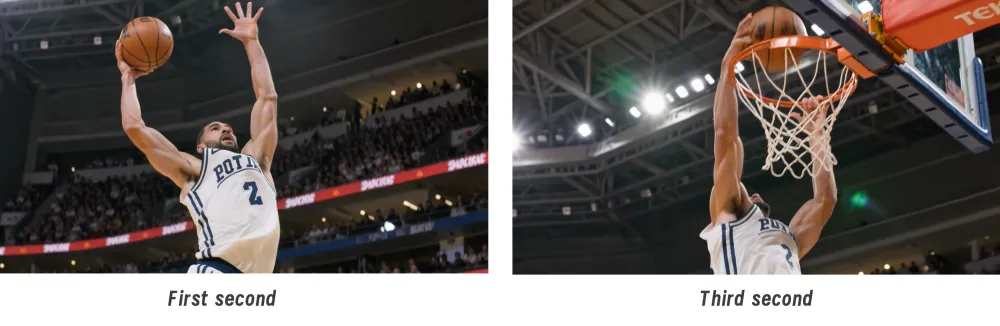
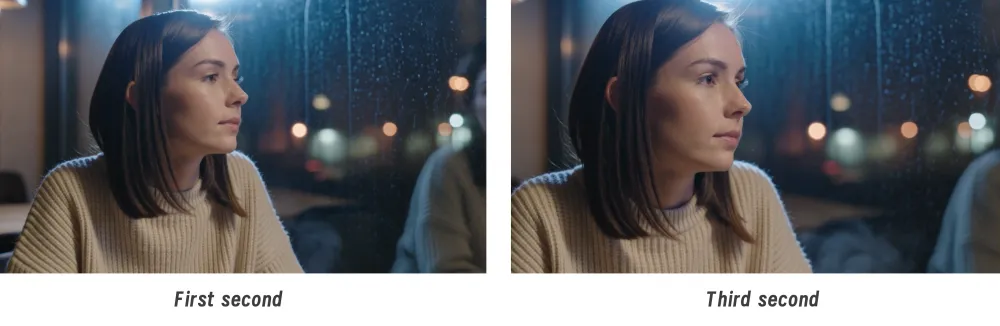
Kling 3.0 Omni holds the #1 ELO benchmark score (1,243) as of May 2026, leading on human motion — dance, sports, hand gestures, and facial stability across frames. Gemini Omni hasn't been formally benchmarked; early demos show strong prompt adherence but raw output that currently trails Seedance 2.0.
Advantage: Kling 3.0 Omni — proven benchmark data vs. limited demo footage.
Native Audio
Kling 3.0 Omni generates synchronized dialogue, ambient sound, and background music natively, with multilingual voice cloning from a short reference clip. Lip-sync holds for clips under 10 seconds but can drift in longer generations. Gemini Omni's early demos show a meaningful step up in audio realism with native synchronized output, though no formal accuracy data exists yet.
Advantage: Tie — Kling Omni has proven multilingual voice control; Gemini Omni may close the gap in overall audio quality.
Video Editing
Gemini Omni has a clear structural advantage here. Chat-based scene rewriting, object replacement, and watermark removal all performed well in early builds — capabilities Kling 3.0 Omni simply doesn't offer. Kling is generation-first; Gemini Omni is being built as a generation-and-editing platform from the ground up.
Advantage: Gemini Omni.
Workflow & Integration
Kling 3.0 Omni is a standalone tool with its own platform and API. Gemini Omni integrates directly into the Gemini interface and Google's broader ecosystem — Workspace, Vertex AI, and the Gemini API — letting teams chain text, image, and video output in a single API call.
Advantage: Gemini Omni for Google-ecosystem users; Kling Omni for dedicated video production workflows.
Pricing & Availability
Kling 3.0 Omni is available today: Free (66 credits/day, 720p), Standard ($6.99/month, 1080p), Pro ($29.99/month, 4K). Gemini Omni has no confirmed pricing as of May 19, 2026, and is not yet available for production use through the API.
Advantage: Kling 3.0 Omni — live, clearly priced, and ready to use right now.
Which Should You Choose?
If you need video you can generate and deliver today — especially human-focused content, cinematic short clips, or anything requiring character voice consistency — Kling 3.0 Omni is the clear choice.
If your workflow involves editing existing footage, iterating through conversation, or building inside Google's ecosystem, Gemini Omni is worth watching closely — but wait for the stable release before committing.
If you want access to Kling alongside Seedance, AI image tools, and other leading models without managing separate accounts, iMini AI brings everything into a unified canvas — the practical setup for creators who don't want platform lock-in as the model landscape evolves.
The Bottom Line
In May 2026, Kling 3.0 Omni wins on generation quality and availability. Gemini Omni wins on editing vision and ecosystem integration — but most of that promise is still unproven in production. The smarter move for most creators right now is to use Kling Omni today while keeping an eye on Gemini Omni's full rollout.
Both models are pushing toward the same goal: unified multimodal creation where video, audio, and editing happen in one place. The question is which gets there first with a production-ready, well-priced offering.
Explore AI video and image generation across multiple models at iMini AI — no platform lock-in, one unified workspace.