

GPT Image 2: Predicted Features & Creator Expectations
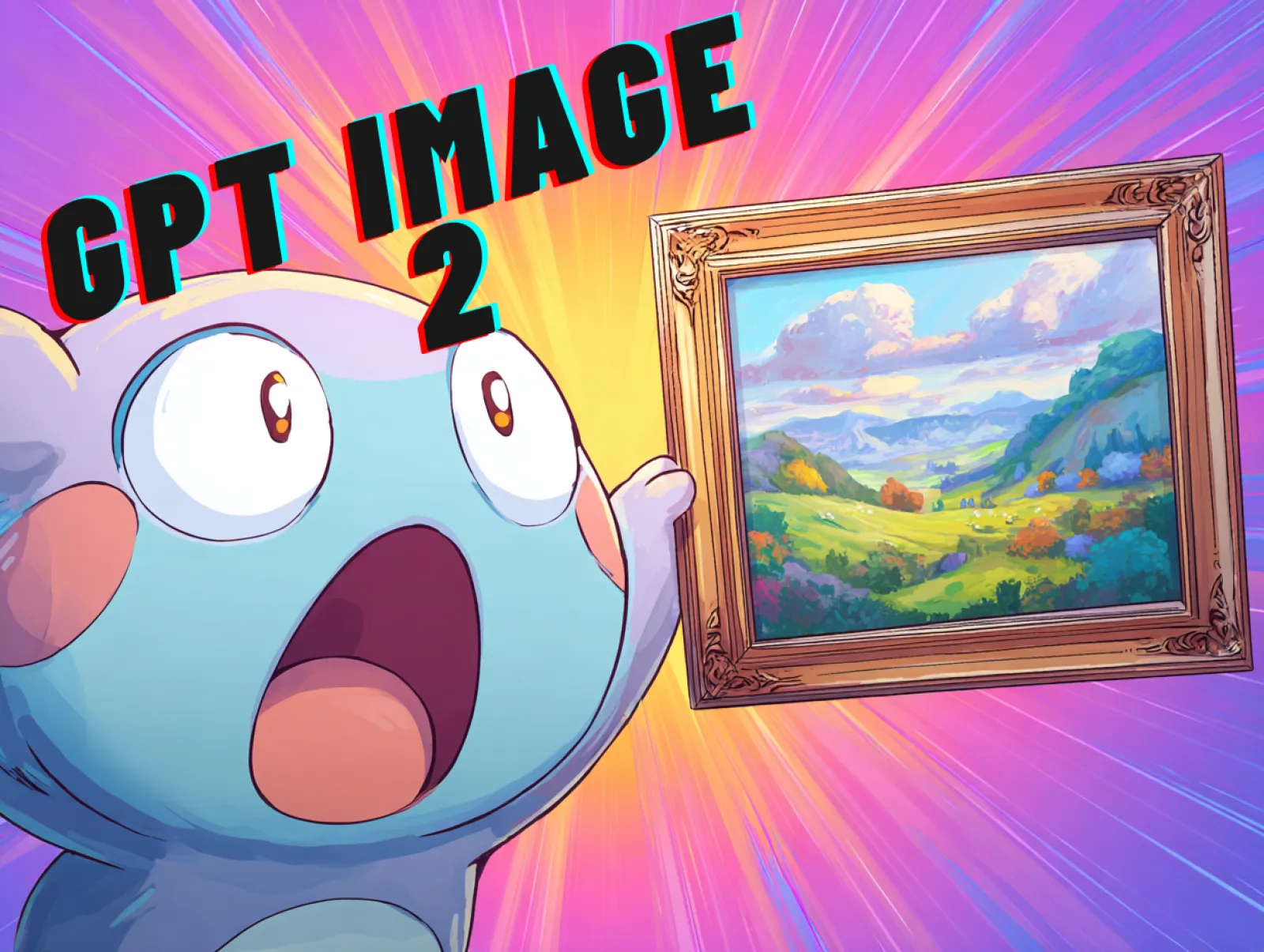
AI image generation is advancing at an astonishing speed, and many creators are already asking: What could GPT Image 2 bring to the table? Some users have spotted hints of GPT Image 2 on the official website - does this mean the next-generation model is on the horizon? After the highly anticipated release of Nano Banana Pro and its impressive capabilities, many are wondering: Will GPT Image 2 be able to compete with Nano Banana Pro?
Although OpenAI has not officially confirmed GPT Image 2, the rapid evolution of different AI models has sparked widespread speculation about what features and improvements the next major upgrade might offer.
In this blog, we dive into predicted GPT Image 2 features, how it could improve upon GPT Image 1, what creators expect from this next-generation AI image model of OpenAI, and the best alternative tools you can explore while waiting for its official release.
What GPT Image 1 Still Struggles With?
Overall, GPT Image 1 is a strong AI image generator - fast, prompt-aware, and capable of producing impressive images. However, it still faces several notable limitation currently.
Text Rendering Issues
Text rendering issues are still common across many AI image models, and GPT Image 1 is no exception. It frequently misinterprets or distorts letters, symbols, and multi-line text, making it unreliable for use cases like posters, labels, step-by-step diagrams, or infographic-style visuals.
Character Consistency
Maintaining the same character across multiple images remains a challenge for GPT Image 1. It may result in variations in facial features, clothing details, or proportions.
Complex Object Accuracy
GPT Image 1 struggles with highly-detailed items or technically precise objects, like mechanical parts, scientific diagrams, and intricate accessories. These complex objects may appear deformed, incomplete, or structurally incorrect in the final output.
Generation Speed
Many users report that before the release of GPT-5, GPT Image 1 could generate images in roughly 30-50 seconds. But after the launch of GPT5, generation times have noticeably increased, with many output taking 90 seconds or longer. This slowdown has really upset many creators who rely on fast image workflows.
Limited Edit Precision
Fine-grained edits - such as image cropping, micro retouching, pixel-level accuracy, object removal, or exact attribute changes - are less consistent and often require multiple attempts.
Predicted Features for GPT Image 2
1. Better Text Rendering
Many users expect GPT Image 2 to generate clean and accurate typography, stylized fonts, accurate logos, and branding elements. With Nano Banana Pro introducing a massive leap forward in text handling, it’s reasonable to expect that GPT Image 2 will also focus heavily on more precise and visually consistent text generation.
2. Higher Photorealism & Texture Accuracy
Next-generation OpenAI image AI models are heading toward sharper skin textures, accurate lighting physics, natural shadows, and realistic fabric. It allows you to bring anime or cartoon character to real life. It is expected that GPT Image 2 could close the gap with Midjourney’s cinematic realism.
3. Stronger Multi-Image Consistency
GPT Image 2 is expected to have stronger multi-image consistency like Nano Banana Pro. The anticipated upgrade should maintain the same face, character features, outfits, and art style across multiple generations. This would enable creators to produce cohesive comic panels, animation frames, and branded character set with consistent identity, which can streamline creative workflows.
4. One-click Image Generation With Edit-by-Example Tools
Some users have noticed a new image menu appearing in ChatGPT, offering one-click style transfer - a strong hint that more advanced visual tools may be on the way. The next generation after GPT Image 1 is widely expected to enable style transfer, pose transfer, and fine-detail extraction from reference images with a single click. We may also see major improvements in mask-based editing, regional adjustment, and overall control during image generation and editing.
5. Support for Larger Resolution (4K or Higher)
User demand pushes toward 4K outputs, print-ready files, high-level texture fidelity. As a result, GPT Image 2 is widely expected to introduce native 4K image generation, improved upscaling modules, and enhanced sharpness and detail preservation for professional-grade visual work.
6. Improved Diagram and UI Generation
GPT Image 1 already renders clear diagrams using its text model, but it is anticipated that GPT Image 2 may push this further with pixel-aligned UI mockups, faster wireframe generation, accurate data layout, and morer infographic chart correctness.
7. Faster Generation Speeds
To remain competitive, GPT Image 2will continuously upgrade its generation speed with low-latency rendering, optimized inference, and multi-image batch generation. This is especially beneficial for marketers and rapid-fire creators.
GPT Image 2 vs GPT Image 1 Comparison Chart (Predicted)
| Features | GPT Image 2 (Expected) | GPT Image 1 |
| Speed | Faster | Slightly Slow |
| Detail | Excellent | Good |
| Realism | High | Medium |
| Prompting | Simple prompts create High-quality images | Detailed prompts give best results |
| Character Consistency | Strong | Moderate |
| Editing Tool | Layered, mask-aware editing | Basic |
| Resolution | 4K+ | Lower |
Creator Expectations of GPT Image 2
Based on community feedback, we’ve compiled a list of the GPT Image 2 features that creators are most eager to see:
- Accurate text & typography: Creators want solid, readable text because it unlocks thumbnails, posters, UI mocks, memes, and carousels without jumping to another design tool.
- Ultra-realistic photography: Creators value accurate lighting, composition, and human features, especially for fashion, product, and lifestyle shots.
- Better control and multi-image consistency: Creators want to tweak a good base image instead of regenerating endlessly. They also need multi-image consistency for comics, storyboards, and social carousels.
- Faster output: Faster output matters because iteration is the creative workflow.
- Editable generations: Creators want to treat AI images like layered documents they can re‑edit.
GPT Image 2 Alternatives to Use Right Now
While waiting for future release of GPT Image 2, these tools offer strong capabilities:
Nano Banana Pro
Nano Banana Pro is Google’s upgraded AI image generation and editing tool with upgraded character consistency, 4K output support, and precise style transfer. it has become a game-changing AI image generator that is reshaping the creative workflows within the AI community.
Midjourney
Midjourney is a leading AI image generator for artistic and cinematic image. Though it is not good at text rendering, it excels at creating stylized and highly imaginative images, making it perfect for concept art, social media graphics, and storytelling projects.
Seedream 4.0
Seedream 4.0 is designed for fast rendering and advanced multi-image fusion. Its strength lies in complex edits and seamless image blending.
iMini AI
iMini AI is an all-in-one creative AI suite that integrates multiple powerful models, including Nano Banana Pro, Seedream 4.0, Midjourney, GPT Image 1, and more. It allows users to generate images, videos, and character designs without juggling multiple subscriptions, saving time while boosting creative potential.
GPT Image 2 FAQs
1. What is GPT Image 2?
GPT Image 2 is the anticipated next-generation AI image generation model from OpenAI. While it hasn’t been officially released, it is expected to build upon GPT Image 1 with higher photorealism, improved text rendering, and stronger multi-image consistency.
2. When Could GPT Image 2 Release?
There is no official release timeline, but based on OpenAI’s release cycles and competitive pressure, many expect GPT Image 2 could arrive sometime in late 2025 or early 2026.
3. Will GPT Image 2 be suitable for brand marketing and content creation?
Based on predictions, yes. Expected improvements in text accuracy, image consistency, and realism will make it ideal for product visuals, advertisements, storyboards, and social media content.